

- Content
- Design
Hiker launched Adapt shortly after the pandemic struck in the spring of 2020. Adapt was originally intended as a newsroom dedicated to exploring the many ways in which people and organizations were responding creatively and innovatively to both the health crisis and the sociopolitical upheavals that ensued from it. The forum’s content quickly pivoted from Covid-19 into a more general exploration of societal changes, trends, and transformations in everything from philanthropy to food to Formula 1 Racing.
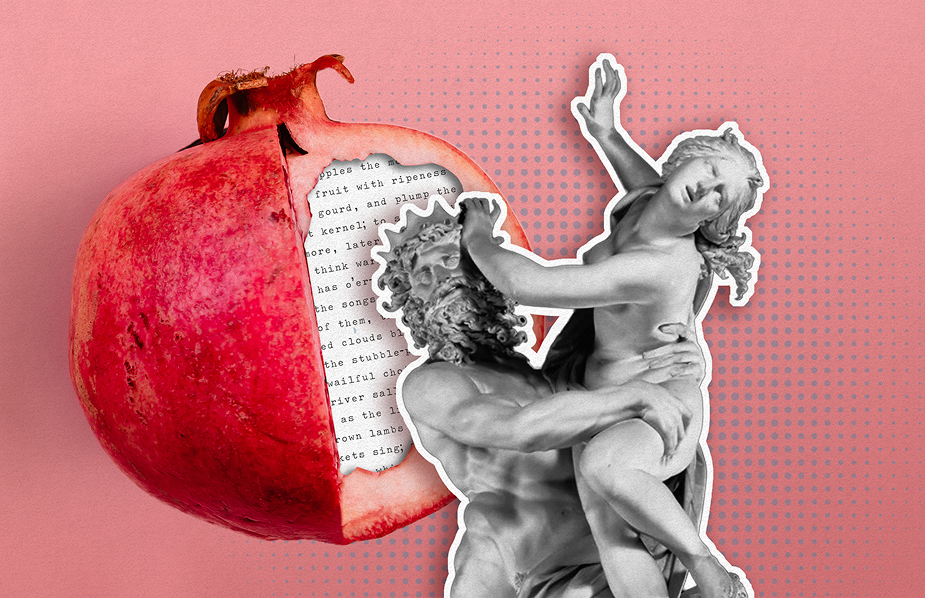
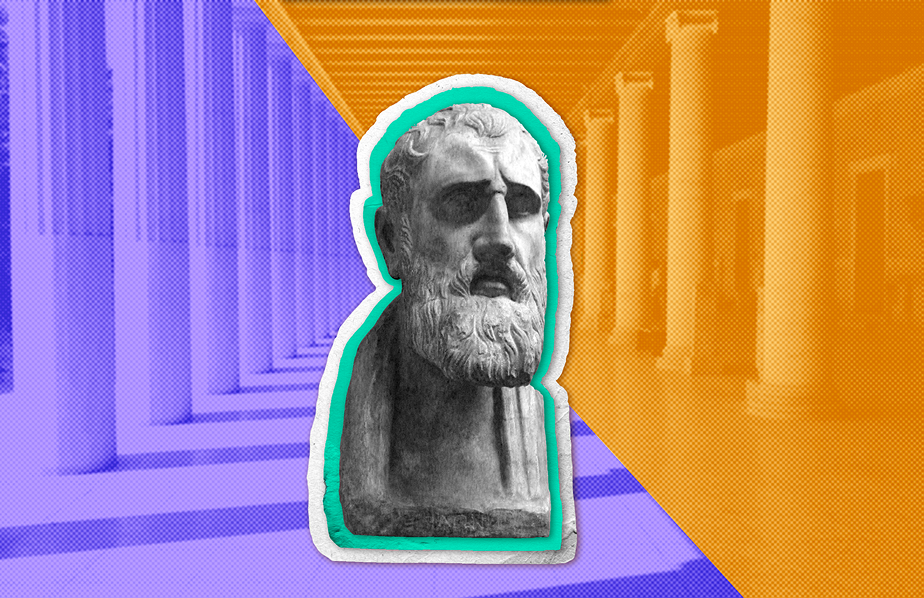
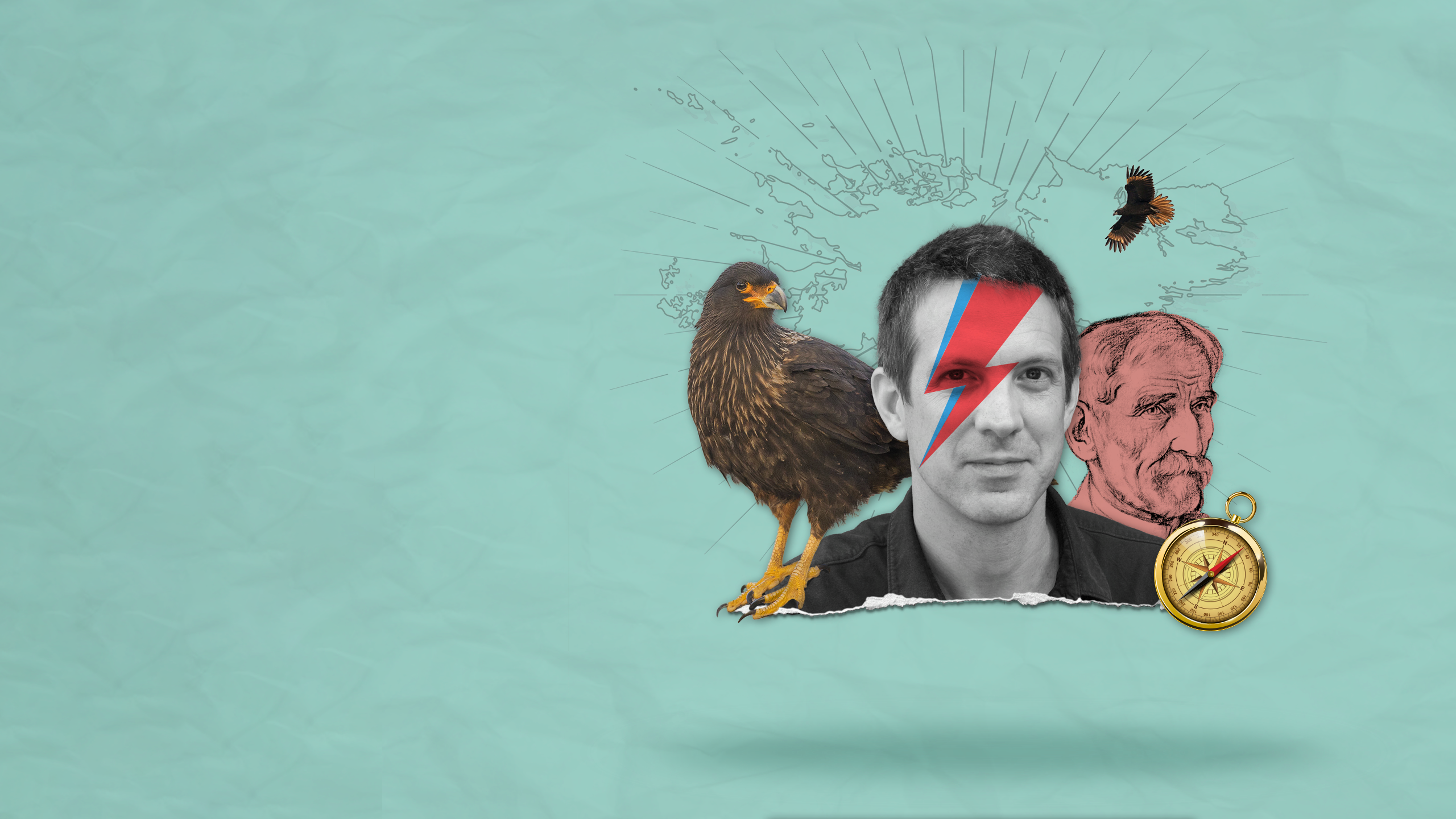
In other words, Adapt itself adapted, and quickly. Within a year, our content included nearly all the creative arts: film, television, books, music, fashion, and more. We wrote social justice and social impact stories to reflect the times. We took deep dives into issues of sustainability and the economy, explored the complex and busy intersection of sports and society, and developed a Storyteller series in which we profiled and interviewed working creatives and artists in virtually every milieu.
“It felt less like design, and much more like we were creating art.”
– Gary Culig, Senior Designer at Hiker
The practice of working as independent artists in the Adapt space helped us widen our thinking, push past some of the constraints we often instinctively impose on ourselves in client-based work, and encourage our clients to take risks with us. When we partnered with Orr Group to redesign their website, for example, our designers advocated for drawing Orr away from their reliance on traditional, conservative boardroom photography. Instead, we proposed a paper-cut illustration aesthetic that was close to a design we’d created for Adapt. Orr enthusiastically took to the idea, which imparted to their new site a bold, inviting look we might not have dared to create without Adapt.
Adapt has been a rich and ever-changing ride: founded in a crisis, changing over time, and constantly widening its content range and its visual palette. But it has had a liberating effect on our design team that can be summed up very simply. Says Gary: “It made us better designers.”